Essential Ocala Tree Maintenance Tips for Thriving Growth
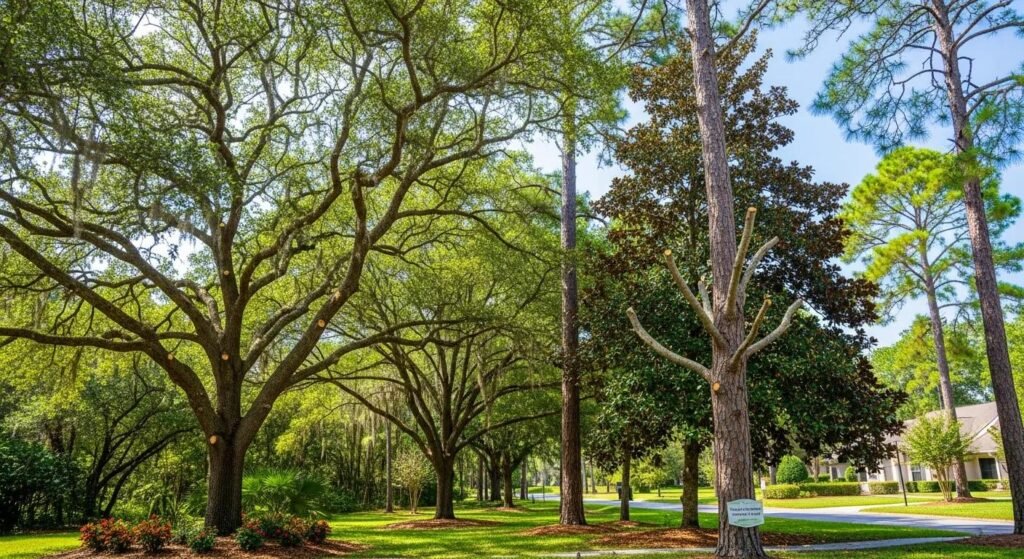
Optimizing Ocala Trees for Health, Safety, and Growth
Trees are long-term investments in property value, shade, and neighborhood character, and effective tree maintenance in Ocala requires understanding local climate, species needs, and timely interventions that protect both trees and homes. This guide teaches property owners how to interpret Ocala’s seasonal patterns, perform essential maintenance like pruning, watering, mulching, and fertilization, recognize common diseases, prepare trees for hurricane season, and decide when a certified arborist is necessary. By focusing on species-specific recommendations—live oak, palms, bald cypress, and redbud—and practical seasonal calendars tailored to Marion County conditions, readers will gain actionable steps to promote healthy growth and reduce risk. The article also explains early warning signs of disease, homeowner-safe treatments, and when professional services or emergency response are the safer option. You will find checklists, step-by-step how-to tips, quick-reference EAV tables for timing and symptoms, and targeted guidance on working with professionals to handle complex removals, insurance documentation, and post-storm response.
How Does Ocala’s Climate Affect Tree Health and Growth?
Ocala’s climate combines subtropical heat, high humidity, periodic heavy rainfall, and occasional freeze events, and these factors directly influence tree physiology by increasing fungal disease pressure, altering water uptake, and creating mechanical stress during storms. High summer humidity encourages foliar fungal pathogens and insect activity that weaken trees over time, while heavy seasonal rains can cause soil saturation that reduces oxygen at roots and predisposes them to root rot; conversely, intermittent dry spells increase root stress and vulnerability to pests. Understanding these mechanisms helps homeowners schedule pruning and irrigation to reduce disease spread and encourage resilient structure, which improves long-term survival and canopy integrity. The next sections describe specific weather challenges that drive these management choices and explain how timing adjustments reduce risks in Ocala.
What Weather Challenges Impact Trees in Ocala, Florida?
Ocala trees face several recurrent weather challenges including hurricanes and tropical storms, intense summer thunderstorms with high winds, humid summers that favor fungal diseases, and occasional winter freezes that cause branch dieback and bark splitting. Hurricanes and strong wind events can cause limb failure, uprooting, and salt spray damage near coastal-influenced areas, while summer humidity often correlates with increased occurrences of anthracnose and other leaf fungal diseases. Freeze events lead to cold injury on new growth and can cause structural defects that invite pathogens the following season. Homeowners should inspect structural defects after major weather events and prioritize corrective pruning and root-zone protection to reduce future storm-related failures and disease entry points.
How Can Understanding Local Climate Improve Tree Maintenance?
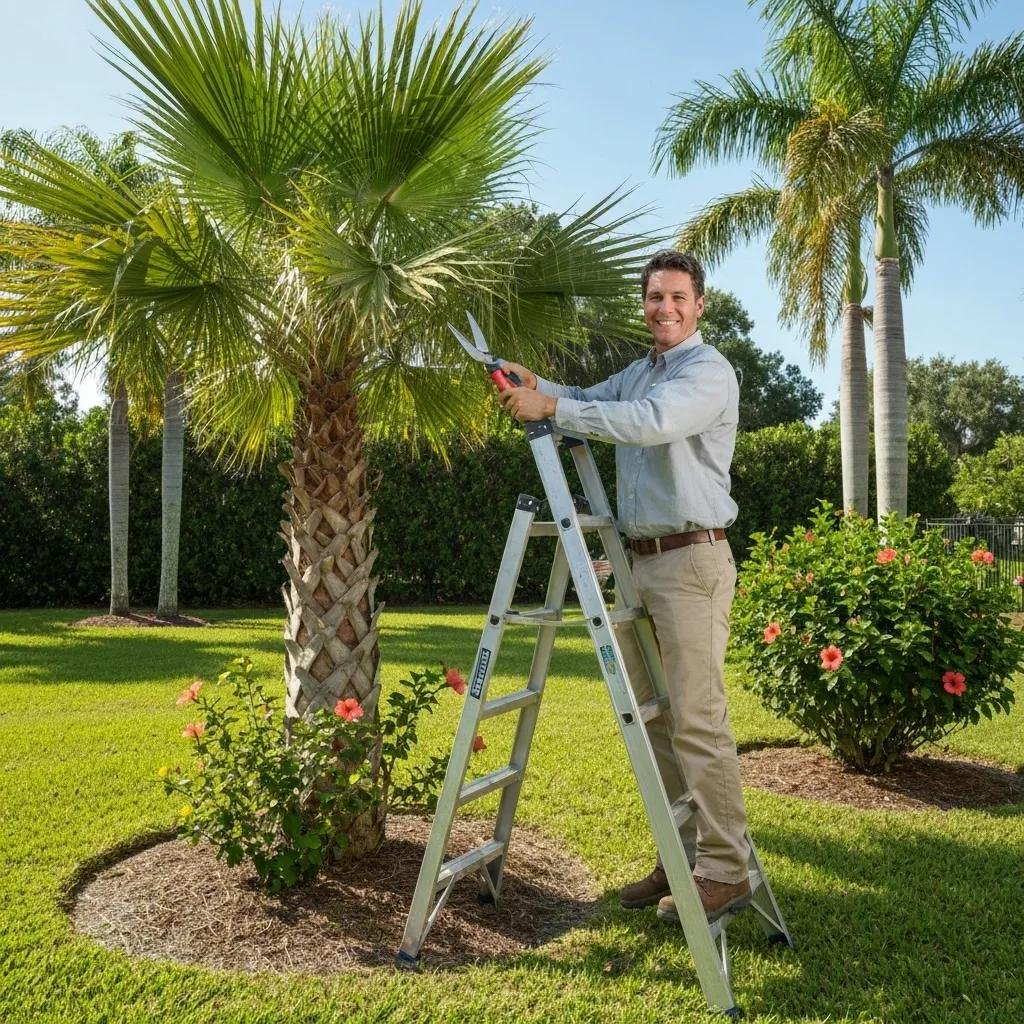
Adapting maintenance timing to Ocala’s climate—late winter structural pruning, early-summer disease inspections, and adjusted irrigation during humid months—reduces stress and disease incidence while supporting steady growth. For example, pruning in late winter to early spring removes deadwood and promotes wound closure before heavy summer humidity increases fungal spores, and deep, infrequent watering in early morning reduces evaporative loss while preventing prolonged root saturation that fosters root rot. Soil testing after long wet periods helps tailor fertilization to address nutrient leaching, and mulching conserves moisture during dry spells while moderating soil temperature swings after occasional freezes. These timing and technique adjustments prevent common failures and set up the next seasonal tasks, which include species-specific pruning and fertilization guidance.
What Are the Essential Tree Maintenance Practices for Healthy Growth in Ocala?
Essential maintenance for healthy growth in Ocala centers on correct pruning, appropriate watering and irrigation practices, soil and nutrient management, regular inspections, and integrated pest monitoring that prioritizes early detection. Proper pruning improves structure and safety, watering strategies should emphasize deep, infrequent soaking to develop root depth, and fertilization should be based on soil test results to avoid excess nutrients that can exacerbate disease and pest problems. Regular inspections—seasonally and after storms—identify bark damage, root collar issues, and canopy thinning early, and integrated pest management combines cultural controls with targeted treatments. For complex or hazardous tasks, professional services are available; when safety, tree size, or disease complexity exceed homeowner capacity, certified arborists and emergency support provide necessary expertise and resources to protect property.
This section outlines core pruning timing, watering, and fertilization approaches and then gives a practical pruning timing comparison table for common Ocala species to help homeowners choose the right method.
Pruning approaches vary by species, tree size, and tree age; follow structural pruning principles that remove deadwood, thin crowded branches, and preserve the central structure without dramatic crown reductions. For younger trees focus on establishing a single strong leader and well-spaced scaffold branches; for mature live oaks avoid heavy reductions that stress the tree and invite decay. Safety rules are: use proper cutting technique, do not top trees, and call professionals for climbs over single-story roofs or near utilities. If the next steps involve root and soil interventions, homeowners should use soil testing to guide fertilization and consult arborists for suspect decay.
| Tree Species | Best Pruning Time | Recommended Approach |
|---|---|---|
| Live Oak | Late winter – early spring | Structural pruning, avoid heavy crown reduction; remove deadwood and crossing limbs |
| Palm (Sabal, Sabal palmetto) | Late winter – early spring | Remove only dead fronds, preserve green spear leaf; avoid over-trimming the bud |
| Bald Cypress | Late winter | Light crown thinning and removal of dead branches; maintain natural form |
| Redbud | Late winter | Remove crossing limbs and deadwood; prune to enhance flowering structure |
How and When Should You Perform Tree Trimming and Pruning in Ocala?
Pruning in Ocala should prioritize structural corrections and hazard reduction and is best performed in late winter to early spring when wounds close faster and insects are less active, while exceptions include removing diseased tissue immediately when identified. For homeowner-safe pruning, use three-cut technique on larger limbs, make clean cuts at the branch collar, and limit cuts to no more than 10-15% of live canopy per year to avoid stress; always wear eye protection and use appropriate tools. Avoid topping or indiscriminate crown reduction; instead focus on selective branch removal to maintain health and form, and do not attempt high-limb work or tree removals that place you or property at risk. When pruning questions or risks are present—large-diameter limbs, decay, or proximity to structures—engage a certified arborist for safe, code-compliant work.
What Are Best Watering and Fertilization Techniques for Ocala Trees?
Ocala trees benefit most from deep, infrequent watering that encourages roots to grow downward, using slow-application methods like soaker hoses or deep-root feeders rather than frequent shallow sprinkling which limits root depth and resiliency. Apply 2–4 inches of mulch in a wide donut around the trunk leaving a gap at the trunk flare to prevent rot; mulch conserves moisture, moderates soil temperature, and supports microbe-driven nutrient cycling. Conduct a soil test every 2–3 years or after extended wet/dry cycles to identify nutrient deficiencies and apply fertilizers based on test recommendations, using slow-release formulations to reduce leaching in sandy Florida soils. For palms, include micronutrients such as magnesium and manganese when tests indicate deficiency and follow labeled application rates to prevent overfertilization.
How Can Property Owners Identify and Prevent Common Tree Diseases in Ocala?

Identifying and preventing tree diseases in Ocala relies on recognizing key symptoms early—wilting, discoloration, canopy thinning, and fungal fruiting bodies—and applying sanitation and cultural controls to reduce inoculum and stress. Common pathogens like oak wilt, root rot organisms, and vascular diseases often start with subtle foliar changes before progressing to branch dieback, so regular inspection and rapid pruning of infected material reduce spread. Prevention includes avoiding pruning during high pathogen activity unless necessary, sterilizing tools between cuts, maintaining tree vigor via proper irrigation and fertilization, and improving drainage in chronically wet sites. When symptoms indicate systemic infection or multiple trees are declining, professional diagnosis and treatment are recommended to increase the chance of recovery and to guide targeted interventions.
The following list outlines the most common diseases to watch for in Ocala and their hallmark homeowner observations.
- Oak Wilt: Rapid leaf wilting and bronzing beginning in one limb then spreading across the canopy.
- Root Rot (Phytophthora-like): Yellowing leaves, gradual canopy thinning, and soil that remains overly wet.
- Laurel Wilt: Sudden wilt and rapid mortality, especially in redbay and some related species.
- Ganoderma Butt Rot: Fungal conks on the lower trunk and progressive structural decline.
Early detection and sanitation can slow these diseases, but professional assessment is often necessary for definitive diagnosis and safe removal of severely affected trees; the next subsection explains symptom specifics and immediate homeowner steps.
| Disease | Key Symptoms | Immediate Action |
|---|---|---|
| Oak Wilt | Rapid wilting, leaf bronzing starting in limbs | Isolate pruning, contact arborist for diagnosis; avoid pruning in high-spread times |
| Root Rot | Yellowing, canopy thin, soggy soil | Improve drainage, reduce irrigation, consult arborist for root assessment |
| Laurel Wilt | Sudden wilting and decline | Report rapid spread and consider professional removal to protect nearby hosts |
| Ganoderma Butt Rot | Shelf fungi at base, progressive decay | Monitor for lean/structural risk; work with arborist on mitigation or removal |
What Are the Signs and Symptoms of Oak Wilt, Root Rot, and Other Local Tree Diseases?
Symptoms vary by pathogen but key red flags include rapid leaf discoloration and wilting (oak wilt), progressive canopy thinning with poor root vigor (root rot), fungal fruiting bodies near the base (Ganoderma), and sudden mortality clusters (laurel wilt). Visual cues such as unilateral limb decline, ooze, or the presence of conks can differentiate decay from drought stress, while soil-saturation symptoms and failure to rebound after watering suggest root-related pathogens rather than foliar issues. Homeowners should document symptom progression, photograph foliage and trunk issues, and avoid pruning during active spread periods unless instructed by a professional. Quick homeowner actions—reducing stress, improving drainage, and isolating infected material—help limit spread while awaiting professional assessment.
Which Treatment and Pest Management Options Are Effective in Ocala?
Effective treatment pathways include cultural measures (sanitation, proper pruning, irrigation management), biological controls where available, and targeted chemical treatments such as approved systemic fungicides or injections when diagnostics confirm a susceptible pathogen. Integrated pest management (IPM) prioritizes cultural controls and monitoring, and then escalates to treatments that have been demonstrated effective for the diagnosed condition; some systemic injections require certified application and professional equipment. For severe root or trunk diseases, removal and replacement with resistant species may be the safest long-term option, while for minor foliar diseases corrective pruning and improved vigor can be sufficient. When in doubt about a systemic disease or when dozens of trees are affected, a certified arborist should perform diagnostics and recommend an appropriate treatment plan.
How Should Ocala Homeowners Prepare Their Trees for Hurricane Season?
Preparing trees for hurricane season in Ocala focuses on pre-season inspections, removing hazardous limbs and deadwood, and scheduling professional structural pruning to reduce sail area and failure points before storms arrive. A prioritized pre-season checklist reduces risk: remove weak or dead limbs, thin dense crowns to reduce wind resistance, stake or brace young trees if needed, and clear debris that could become projectiles during high winds. Advance professional evaluations for larger or high-risk trees help identify failure modes such as root plate instability or internal decay that homeowners cannot safely assess. The following checklist outlines specific pre-season actions homeowners can undertake or request from contractors.
- Inspect for deadwood and remove loose branches to reduce flying debris.
- Thin overly dense canopies to lower wind load and allow wind to pass through.
- Check trunk flare and root health for signs of decay or girdling roots.
- Secure or brace young trees and remove hazardous trees or limbs near structures.
Completing these steps before hurricane season reduces the chance of catastrophic failure and shortens post-storm recovery time; the next subsection explains post-storm actions and emergency service options.
What Pre-Season Tree Care Steps Reduce Storm Damage Risks?
Start with a comprehensive inspection months before storm season to schedule corrective pruning and hazard removals, focusing on deadwood, co-dominant stems, and large, leaning trees that present the greatest risk. Prioritize removing or reducing immediate hazards—dead branches and weak attachments—while avoiding large cuts that leave exposed wounds right before storm season; use certified professionals for large-tree structural pruning. Establish a pre-season timeline: inspections in late winter, major pruning completed by early summer, and last-minute debris removal as storms approach, which gives trees time to compartmentalize wounds. Preparing trees this way lowers the probability of root uprooting and limb failure during high winds and improves overall property safety.
How to Manage Post-Storm Tree Care and Emergency Services in Ocala?
After a storm, prioritize safety: do not approach leaning trees near power lines, and keep clear of unstable trunks and limbs while documenting damage for insurance claims with photos and notes. Immediate homeowner triage includes removing small broken limbs, salvaging undamaged sections where safe, and stabilizing young trees; for major structural failures or trees contacting structures, contact emergency tree specialists for safe removal and site stabilization. When professional emergency services are required, document conditions for insurers and ask for written estimates and an initial stabilization plan to expedite claims. Having a local emergency tree service available reduces response time and improves the chances of salvage when response is prompt; the next section explains when to bring in certified arborists for complex work.
In urgent post-storm situations, Ocala Tree Service LLC provides 24/7 emergency service and professional removal support to stabilize properties quickly.
When and Why Should You Hire a Certified Arborist for Ocala Tree Care?
Hire a certified arborist when tree size, lean, or proximity to structures introduces safety risk, when suspected systemic disease requires diagnostic testing, or when complex structural corrections like cabling and bracing are needed to extend a tree’s safe lifespan. Certified arborists provide technical diagnosis, recommend species-appropriate treatments, and can document damage and recommended actions for insurance claims, which streamlines homeowner decisions after storm events or during disease outbreaks. For homeowners, the main value is safety, precise diagnosis, and tailored mitigation plans that protect long-term tree health and minimize liability. The following subsection lists complex tasks best left to professionals and then introduces how local services support claims and emergency needs.
What Complex Tree Maintenance Tasks Require Professional Expertise?
Tasks that require professionals include large-tree removals, work that requires climbing or rigging near structures, diagnosing and treating advanced root or vascular diseases, and installing cabling or bracing systems to mitigate structural defects. Attempting these jobs without proper training and equipment risks property damage, personal injury, and improper cuts that lead to decay and future failure. A certified arborist evaluates tree risk using accepted standards, performs necessary permits and safe removals, and applies advanced treatments such as trunk injections or targeted soil remediation when appropriate. When complexity or proximity to utilities is present, engaging professionals preserves safety and ensures code-compliant operations.
How Does Ocala Tree Service LLC Support Tree Health and Insurance Claims?
Ocala Tree Service LLC offers a suite of services including tree removal, trimming/pruning, stump grinding, land clearing, 24/7 emergency services, and tree care such as disease treatment and nutrient management, and they support homeowners by providing professional assessments and documentation useful for insurance claims. Their UVPs include 24/7 emergency service, safe and affordable local service, 20+ years experience, certified arborists, assistance with insurance claims, and a focus on property safety and landscape aesthetics, which helps homeowners navigate urgent repairs and longer-term care with a single local provider. When homeowners face storm damage or complex disease issues, the company’s certified arborists can produce detailed reports and take coordinated action to stabilize or remove hazardous trees. This professional support reduces homeowner stress, accelerates claims processing, and helps protect both property and desirable trees.
What Seasonal Tree Care Tips Help Maintain Healthy Trees Year-Round in Ocala?
A seasonal calendar tailored to Ocala’s climate helps homeowners schedule pruning, inspections, watering adjustments, fertilization, and pest monitoring at optimal times; following structured seasonal tasks reduces disease pressure and supports steady growth. Winter is best for structural pruning and scheduling major work, spring for inspections and bloom-related care, summer for careful irrigation management and disease scouting, and fall for pre-storm preparation and mulching to protect roots. Species-specific considerations—such as live oak structural pruning timing and palm micronutrient needs—fit within this calendar to create month-by-month action items. The seasonal calendar table below provides concise timing and notes to convert into maintenance workflows for property owners.
| Season | Key Actions | Timing / Notes |
|---|---|---|
| Winter | Structural pruning, soil testing, plan major work | Late Dec–Feb; ideal for tree health and wound closure |
| Spring | Inspections, selective pruning, fertilization if needed | Mar–May; watch for leaf-out and bloom timing |
| Summer | Monitor diseases, deep irrigation, mulch maintenance | Jun–Aug; adjust watering for heat and humidity |
| Fall | Pre-storm pruning, debris cleanup, root protection | Sep–Nov; finalize hurricane prep and stabilize roots |
How to Follow a Seasonal Tree Care Calendar for Ocala’s Unique Environment?
Convert the table above into a practical routine by scheduling major structural pruning in late winter, performing thorough inspections each spring, adjusting irrigation protocols in early summer, and completing hurricane preparations by early fall. Assign recurring tasks like monthly inspections during growing season and annual soil testing in late winter to inform fertilization plans. After severe weather or pest outbreaks, accelerate inspection frequency and update the calendar to address emergent risks, keeping records of treatments and observations to detect trends. Consistency and record-keeping enable homeowners to respond proactively rather than reactively, improving tree survival and landscape performance.
Which Specific Care Practices Benefit Common Ocala Tree Species Like Live Oak and Palm?
Live oaks need structural pruning focused on scaffold selection and decay management rather than large crown reductions; avoid topping and schedule corrective pruning in late winter to preserve longevity and resist oak wilt spread. Palms require conservative pruning—remove only fully brown fronds and preserve the green spear leaf—while ensuring adequate micronutrients like magnesium to prevent tip necrosis; over-pruning weakens palms and increases susceptibility to pests. Bald cypress benefits from light thinning and maintaining natural form, with attention to water table variations, and redbud needs light structural pruning to enhance flowering and reduce limb rubbing. Species-appropriate practices reduce stress and disease risk while maintaining the landscape’s aesthetic and functional benefits.
Ocala Tree Service LLC offers a free consultation and inspection to help property owners prioritize tree work, assess risk, and plan seasonal maintenance; call (352) 460-3066 to arrange an assessment with certified arborists who can assist with emergency response and insurance documentation.
Ocala trees thrive when homeowners combine seasonal planning, species-specific care, and timely professional intervention; by following the checklists, pruning and watering practices, disease identification tips, and knowing when to call certified arborists, property owners can protect both landscape value and safety with confidence.