Enhance Tree Stability with Expert Cabling & Bracing - Ocala
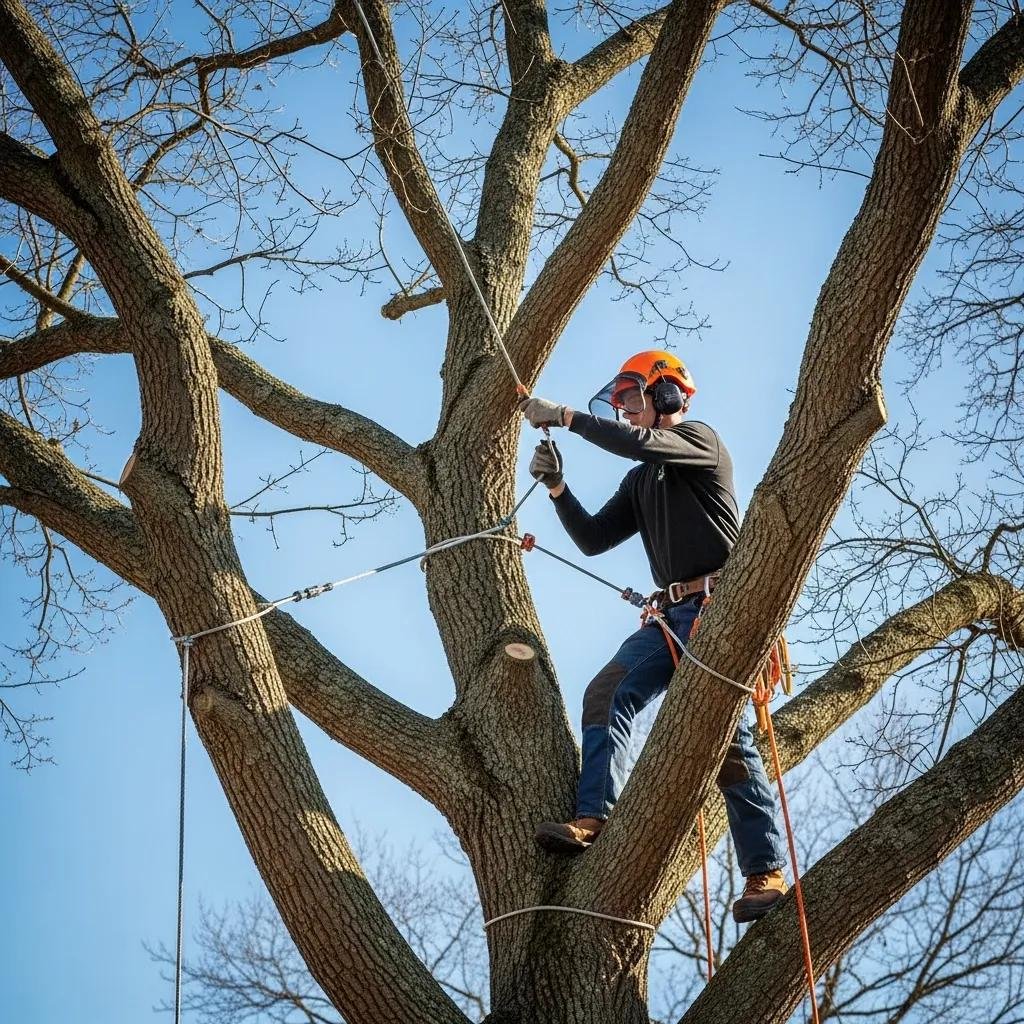
Unlocking Tree Stability: Expert Cabling & Bracing Services in Ocala
Tree cabling and bracing are essential techniques used to enhance the structural integrity and safety of trees, particularly in urban environments like Ocala. This article will explore the various methods of tree support, the installation process, and the benefits these systems provide to property owners. Many trees face challenges such as weak branches, structural defects, or environmental stressors that can compromise their health and stability. By implementing effective cabling and bracing solutions, tree care professionals can mitigate these risks and promote long-term tree health. We will delve into the installation process, the types of hardware used, and the importance of regular maintenance. Additionally, we will discuss the costs associated with these services and when emergency support may be necessary.
Indeed, the use of flexible steel cables is a well-established method for supporting tree crowns, especially when dealing with multiple leaders prone to breakage.
Flexible Steel Cables for Tree Crown Support
Trees with multiple leaders that are susceptible to breaking pose a serious threat to nearby people and structures, and compromise overall tree health and aesthetics. The traditional remedy has been to install flexible steel cables in the crown of the tree in an attempt to limit the displacement of the leaders. This project was conducted to evaluate an alternative three-leader support cable system using computer simulation.
A computer simulation of an alternative design to tree crown support systems, 2004
What Are Tree Cabling and Bracing Techniques for Structural Support?
Tree cabling and bracing are techniques designed to provide additional support to trees that may be at risk of failure due to structural weaknesses. Cabling involves the installation of flexible cables that connect branches or trunks, while bracing uses rigid supports to stabilize weak or damaged limbs. These methods work by redistributing weight and reducing stress on vulnerable areas, ultimately enhancing the tree’s overall stability and health. Properly implemented, these techniques can significantly extend the lifespan of a tree and prevent potential hazards.
How Do Tree Support Cables and Bracing Methods Work?
Tree support cables are typically made from high-strength materials such as galvanized steel or stainless steel that can withstand significant tension. They are strategically placed to connect branches or trunks, allowing for movement while providing necessary support. Bracing methods, on the other hand, involve the use of rigid materials such as threaded rods or braces that are installed to stabilize weak limbs. Together, these systems work to reduce the risk of branch failure and maintain the tree’s structural integrity, ensuring it can withstand environmental stresses such as wind and heavy rain.
Specifically, cabling is often employed to address structurally weak crotches by strategically installing cables high in the tree to alleviate stress.
Tree Cabling for Structurally Weak Crotches
cables installed high up in trees to take a portion of the loads off structurally weak crotches.
Tree bracing, 1959
How Does the Tree Cabling Installation Process Ensure Effective Tree Stabilization?
The installation process for tree cabling involves several critical steps to ensure that the system is effective and safe. First, a thorough assessment of the tree’s condition is conducted to identify weak points and determine the best cabling strategy. Next, the appropriate hardware is selected based on the tree species and specific needs. Finally, the installation is carried out with precision, ensuring that cables and braces are securely attached without causing damage to the tree.
What Hardware Types Are Used in Professional Tree Cabling Installation?
Professional tree cabling installations utilize various types of hardware, including:
- Cabling Hardware: This includes high-strength cables, anchors, and connectors designed to withstand environmental stresses.
- Bracing Materials: Rigid supports such as threaded rods and brackets that provide additional stability to weak branches.
- Protective Sleeves: These are used to prevent abrasion and damage to the tree bark where hardware is installed.
What Are the Steps for Safe and Customized Tree Bracing in Ocala?
The steps for safe and customized tree bracing include:
- Assessment: Evaluating the tree’s health and identifying weak points.
- Planning: Developing a bracing strategy tailored to the specific needs of the tree.
- Installation: Carefully attaching braces to provide support without harming the tree.
- Post-Installation Care: Monitoring the tree’s condition and making adjustments as necessary.
What Are the Benefits of Tree Support Systems for Property Owners in Ocala?
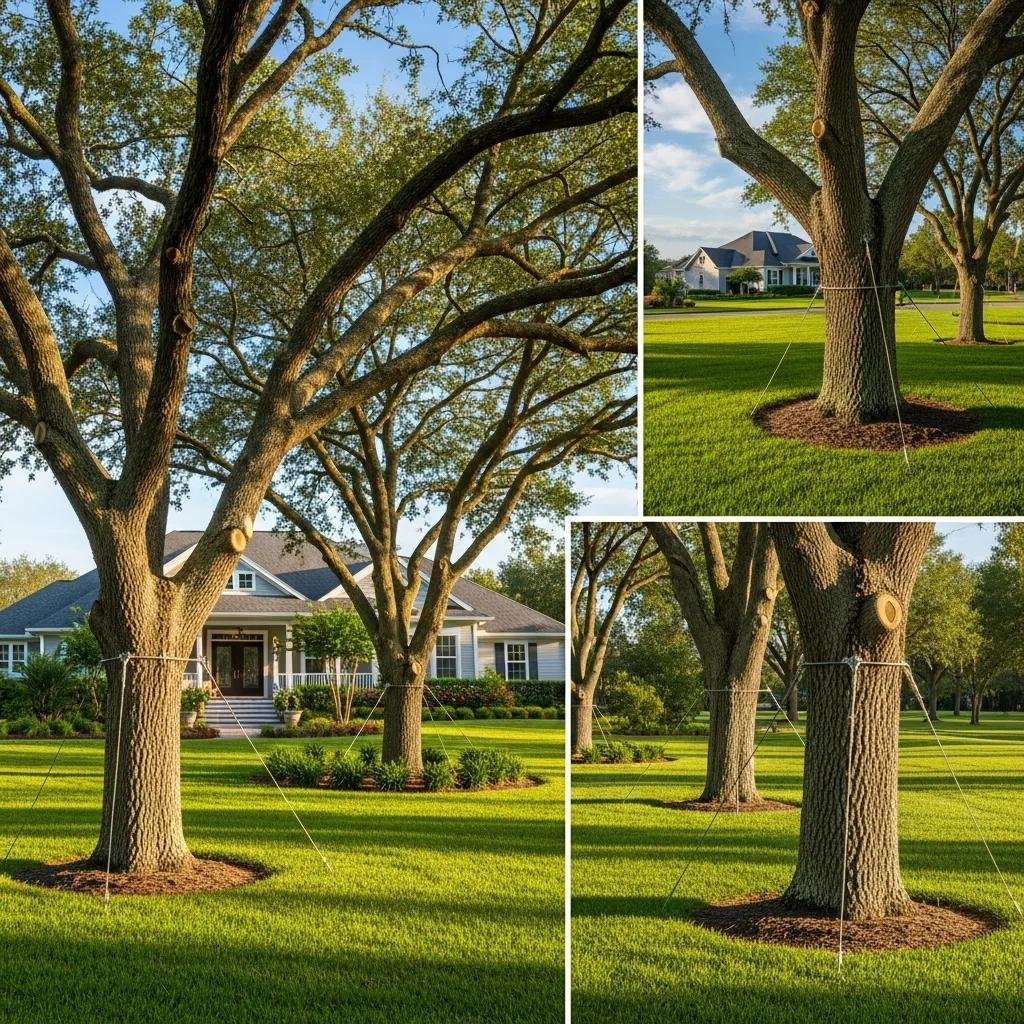
Tree support systems offer numerous benefits for property owners in Ocala, including enhanced safety, improved tree health, and increased property value. By reducing the risk of tree failure, these systems protect homes and landscapes from potential damage caused by falling branches or uprooted trees. Additionally, well-maintained trees contribute to the aesthetic appeal of a property, which can enhance its market value.
How Does Structural Tree Support Reduce Risk and Preserve Tree Health?
Structural tree support systems play a vital role in reducing the risk of tree failure. By stabilizing weak branches and trunks, these systems help prevent accidents that could result in property damage or personal injury. Furthermore, maintaining the health of trees through cabling and bracing allows them to thrive, contributing positively to the local ecosystem. Studies have shown that trees with proper support systems are less likely to suffer from stress-related issues, leading to longer lifespans and healthier growth.
This approach is particularly vital in urban environments, where mature trees present both benefits and potential risks that arborists actively manage through support systems.
Urban Tree Cabling & Bracing for Risk Reduction
Mature trees growing in towns and cities provide many benefits, but also pose risks. Arborists often install support systems (eg, cabling and bracing) to reduce risk, and investigate the effect of cabling and bracing codominant stems on tree biomechanics.
The comparative effects of arboricultural cabling, bracing and species-specific morphology on tree biomechanics, SR Dee, 2025
What Local Case Studies Demonstrate the Effectiveness of Tree Cabling and Bracing?
Several case studies from Ocala illustrate the effectiveness of tree cabling and bracing. For instance, a local oak tree that exhibited significant limb weakness was successfully stabilized through a comprehensive cabling system. After installation, the tree not only remained standing during severe weather but also showed signs of improved health and growth. Testimonials from property owners highlight the peace of mind that comes with knowing their trees are supported and safe.
How Much Does Tree Cabling and Bracing Cost and What Are Maintenance Requirements?
The cost of tree cabling and bracing services can vary based on several factors, including the size of the tree, the complexity of the installation, and the materials used. On average, property owners can expect to pay between $250 and $1,500 for professional services, depending on the specific needs of their trees. Regular maintenance is essential to ensure the longevity of the support systems.
What Factors Influence the Pricing of Tree Support Services in Ocala?
- Tree Size: Larger trees typically require more materials and labor, increasing costs.
- Condition of the Tree: Trees in poor health may need additional care and assessment.
- Service Complexity: More complex installations involving multiple cables or braces will incur higher costs.
How Often Should Tree Support Systems Be Inspected and Maintained?
Tree support systems should be inspected at least once a year to ensure they remain effective and safe. During these inspections, professionals will check for signs of wear, damage, or any changes in the tree’s condition. Regular maintenance may include tightening cables, replacing worn hardware, and adjusting braces as needed. This proactive approach helps prevent potential issues and ensures the continued health of the tree.
When Is Emergency Tree Support Necessary and How Does It Mitigate Structural Failure Risks?
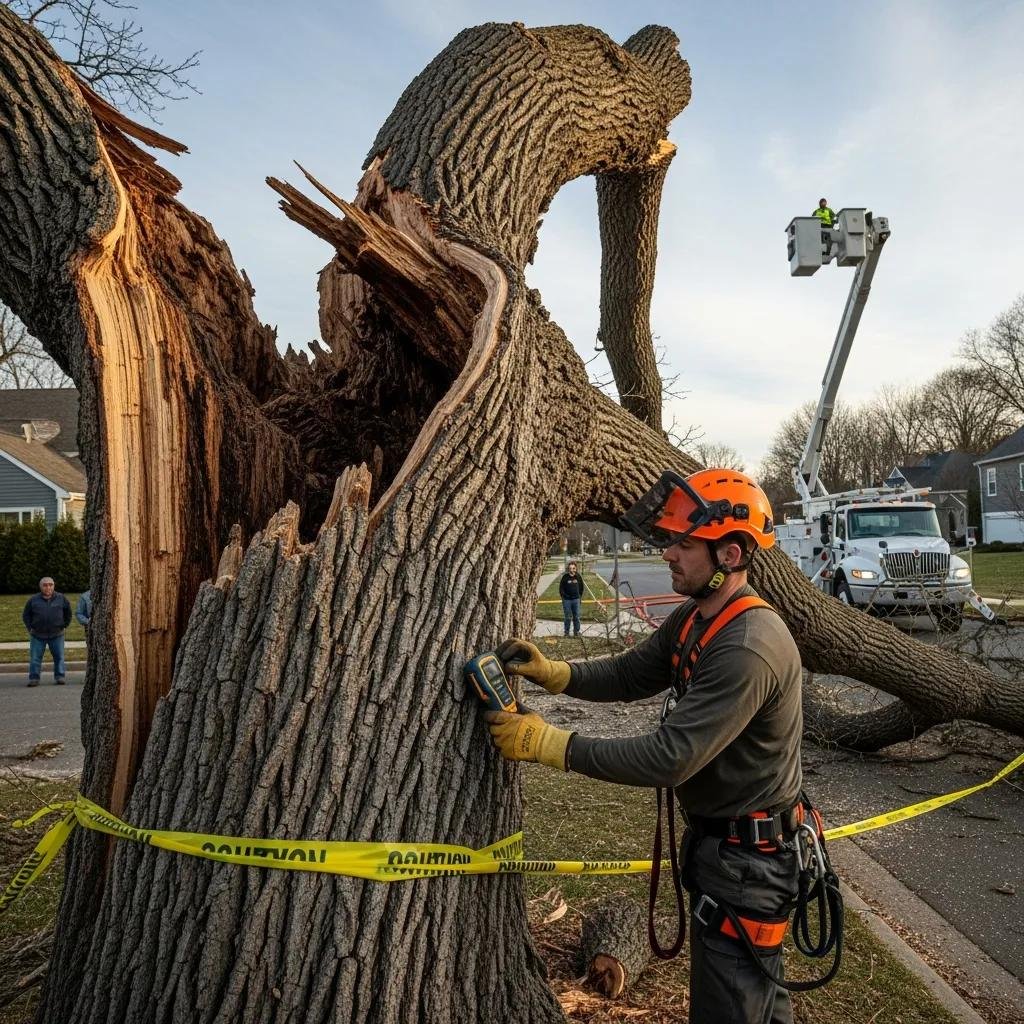
Emergency tree support becomes necessary when a tree shows signs of severe distress or damage, such as large cracks in the trunk or significant limb failure. In these situations, immediate action is crucial to prevent further damage and ensure safety.
What Signs Indicate the Need for Immediate Tree Bracing or Cabling?
- Visible Cracks: Large cracks in the trunk or major limbs can signal structural weakness.
- Leaning Trees: Trees that lean significantly may require support to prevent toppling.
- Dead or Dying Limbs: Branches that are dead or severely damaged may pose a risk of falling.
How Do Tree Cabling and Bracing Reduce Structural Failure Risk by Up to 70%?
Research and arboricultural expert consensus indicate that properly installed tree cabling and bracing systems can reduce the risk of structural failure by a significant margin, often cited as up to 70%. By redistributing weight and providing additional support, these systems help trees withstand environmental stresses that would otherwise lead to failure. This significant reduction in risk underscores the importance of investing in professional tree support services.
| Support System | Benefit | Impact Level |
|---|---|---|
| Tree Cabling | Stabilizes weak branches | High |
| Tree Bracing | Provides rigid support | High |
| Combined Systems | Comprehensive stability | Very High |
Tree cabling and bracing are essential techniques for maintaining the health and safety of trees in Ocala. By understanding the installation process, benefits, and costs associated with these services, property owners can make informed decisions to protect their investments and enhance their landscapes.